Leadership & Civics
Inspiration Edition: The American Dream Is Still a Thing
Paths from modest beginnings to public service, a Nobel Peace Prize story, and neighbors who showed up at the polls.

Welcome to our Inspiration Edition — an issue about hope, hard work, and a simple idea: the American Dream is still a thing.
This election, we saw it in paths that began in modest homes, public schools, and communities that were told to wait their turn. A mother skipped dinner so her daughter could eat. A young lawyer, shut out of the firms in her own city, opened a practice of her own. A 105-year-old neighbor walked into the polls because she remembered when she was not allowed to vote. Those ordinary turns still change a life — and they are the stories we tell this weekend.
Below are the paths of officials elected, including a home-state spotlight on Mississippi’s Scott Colom, along with a Nobel Peace Prize story and ordinary people who showed up for one another. We tell only what public, sourced accounts support. We use no party labels, and we do not endorse any platform. W.I.S.E.C.E.O. is a nonpartisan 501(c)(3). We celebrate the people, the work, and the hope their stories can offer our families.
Senator-elect Scott Colom of Mississippi
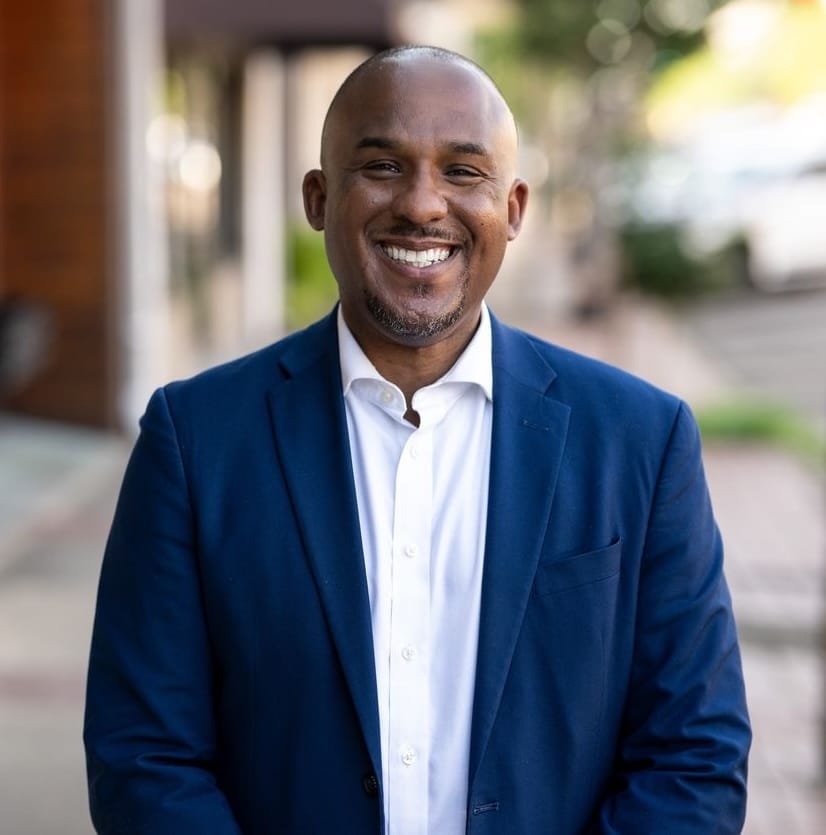
This week, we are especially proud to congratulate Senator-elect Scott Colom of Mississippi, the home state of our founder and of Ryan Sayles, a 27-year-old Alcorn State University mass communications alumnus and creator of the now-famous viral video.
Colom is a seventh-generation Mississippian, born and raised in Columbus. He is the son of Dorothy Colom, who became the first Black judge elected to her region’s chancery court after two earlier losses, and Wilbur Colom, a longtime attorney in their hometown. After Columbus High School and Millsaps College, he spent a year teaching English in a rural village in Guyana — a place, he later wrote, with little electricity and rain as the main source of water. He has called that year the most impactful thing he has ever done. He earned a law degree, with honors, from the University of Wisconsin, then turned down opportunities in bigger cities to come home.
In Lowndes County he became the youngest and first Black justice court judge, then Columbus’s first Black city prosecutor. Voters elected him district attorney in 2015 and returned him to the office in 2019 and 2023. This month, after a close count, official county tallies released by the Mississippi Secretary of State showed him elected to the U.S. Senate. The Associated Press called the race on November 11. He will be Mississippi’s first Black U.S. senator since Reconstruction.
His story is not one of starting with nothing. It is a story of a family that kept opening doors in Mississippi, and of a son who chose to walk back through them to serve the place that raised him. That, too, is the American Dream.
More stories from this election
The sketches below stay with verified beginnings, and with the work that followed.
Governor-elect Keisha Lance Bottoms, Georgia
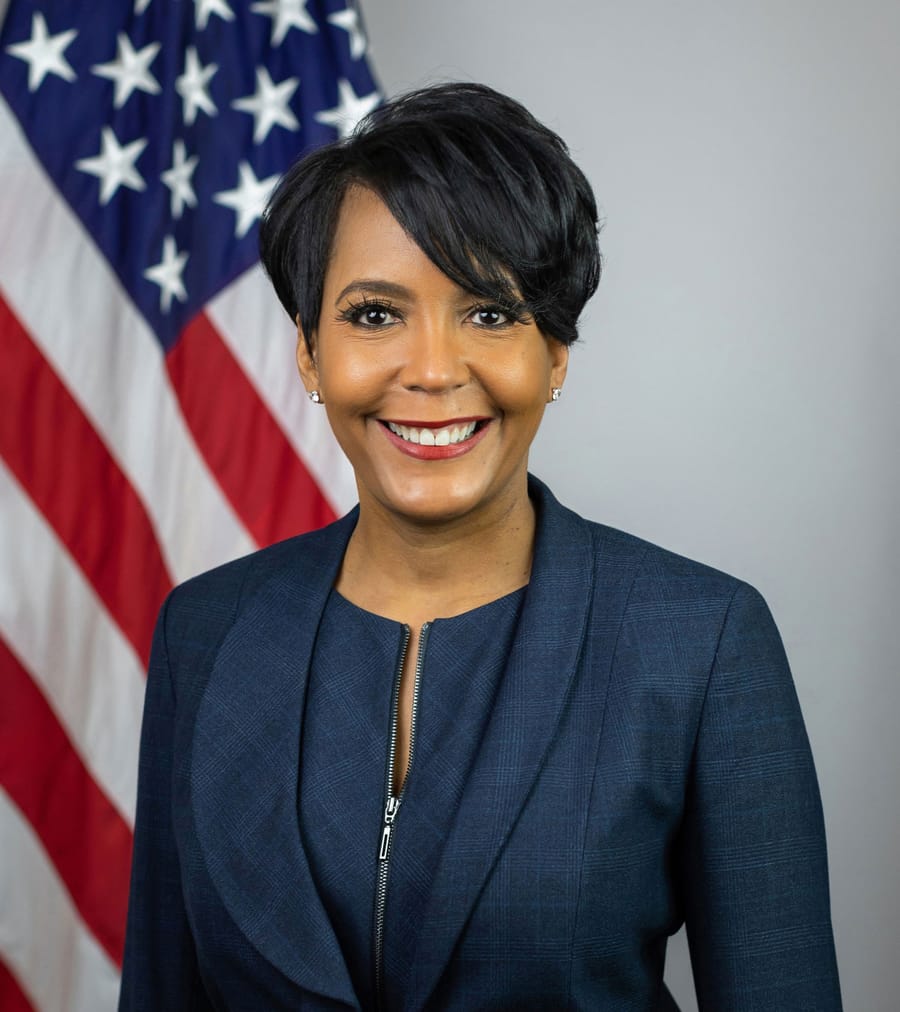
Bottoms grew up on Atlanta’s Westside, the daughter of R&B singer Major Lance — himself born on a sharecropper’s farm in the Mississippi Delta and raised in Chicago — and Sylvia Robinson. When Bottoms was 8, her father went to prison, her parents divorced, and her mother worked two jobs and attended cosmetology school at night to make ends meet. Bottoms started at Florida A&M University at 17, later earned a law degree from Georgia State, served as mayor of Atlanta, and this month became the first Black woman elected governor of any U.S. state.
Governor-elect Dr. Amy Acton, Ohio
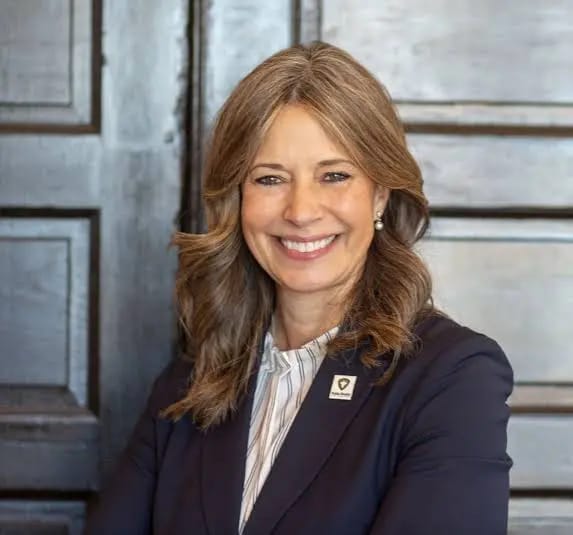
Acton grew up in Youngstown, where her father and grandfather worked in the steel mills. After her parents divorced, she and her younger brother moved often and lived through housing insecurity, including a winter in a tent at a campground. At 12, she was removed from an unsafe home and went to live with her father. “The public schools and libraries saved my life as a kid,” she has said. She worked her way through Youngstown State University and medical school, later led Ohio’s health department, and this month became the first woman elected governor of Ohio.
Governor-elect Deb Haaland, New Mexico
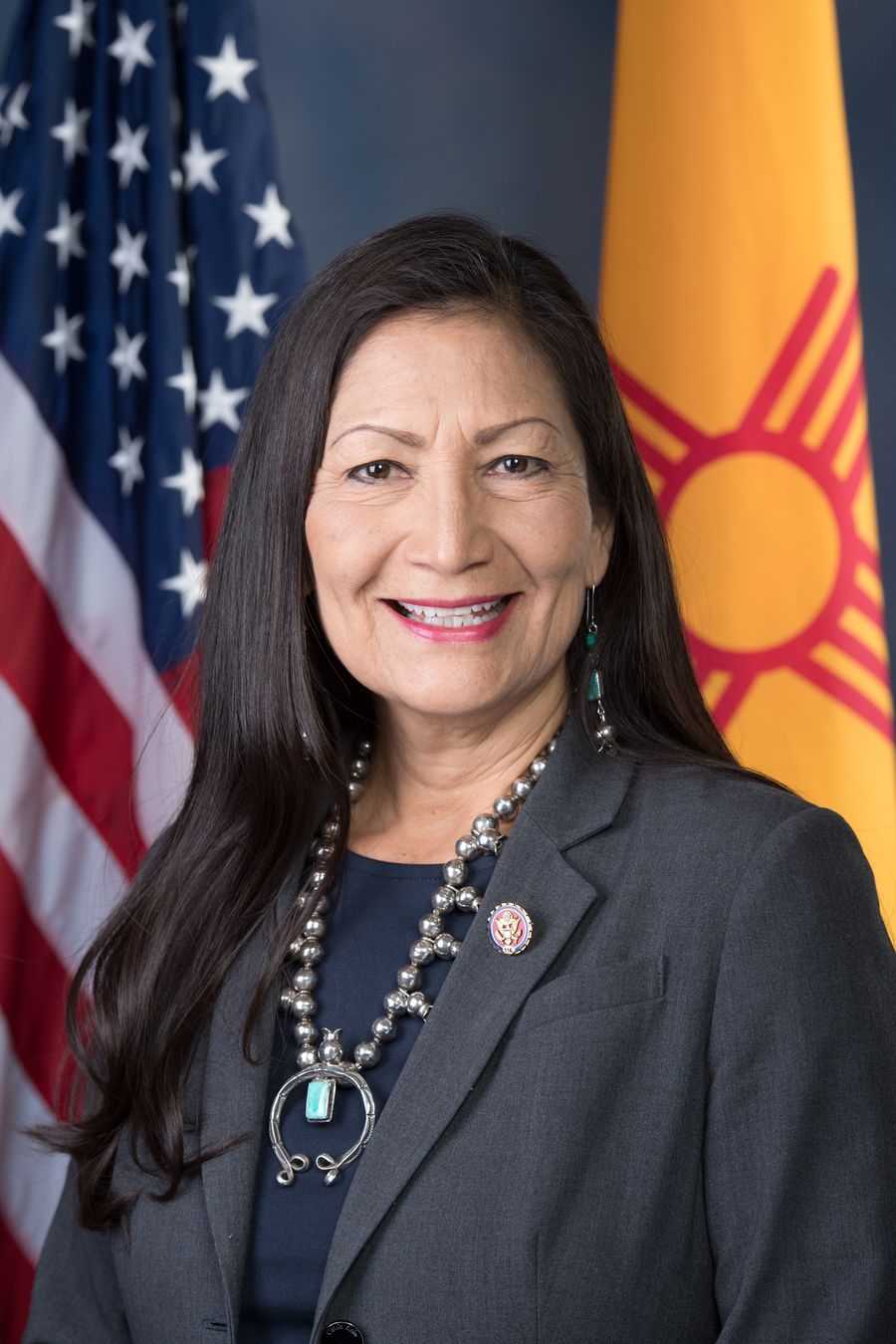
Haaland, a citizen of Laguna Pueblo, calls herself a 35th-generation New Mexican. She grew up in a military family, attended 13 public schools, and spent summers with her grandparents in Mesita, where she helped in the cornfields and learned to cook by watching her grandmother. As a single mother, she has described years of financial insecurity, including times she and her daughter had no apartment of their own and stayed with friends. She started a small salsa business, earned her undergraduate degree from the University of New Mexico at 34, later earned a law degree there, served as U.S. Secretary of the Interior, and this month became the first Native American woman elected governor of any U.S. state.
Senator-elect Peggy Flanagan, Minnesota
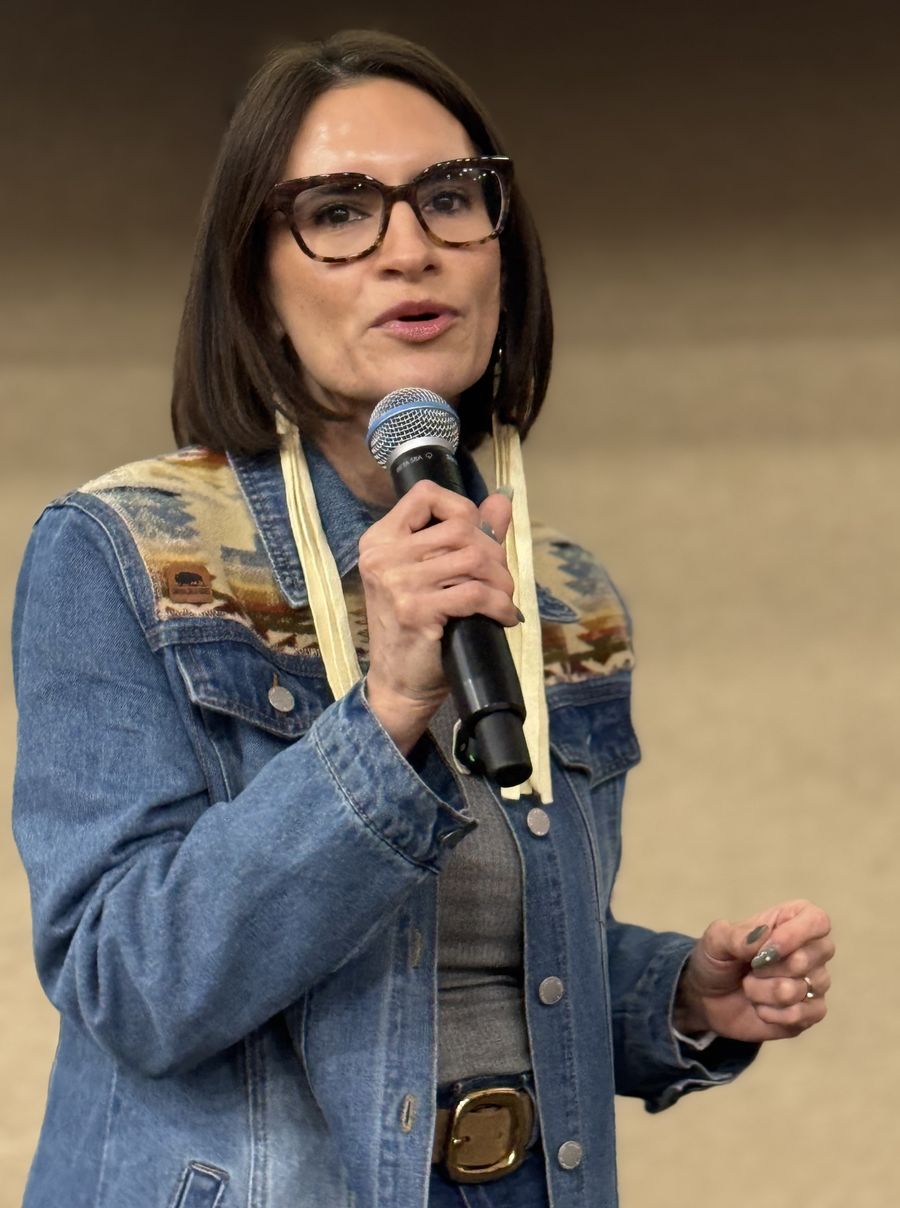
Flanagan, a citizen of the White Earth Nation, grew up in St. Louis Park, raised by her mother, Patricia. The family relied at times on Medicaid, Section 8 housing, and other public assistance. Flanagan has said she later understood that her mother sometimes skipped dinner so there would be enough food for her. She has described herself as “the girl with the different-colored school-lunch ticket.” She graduated from the University of Minnesota, served as Minnesota’s lieutenant governor, and this month became the first Native American woman elected to the U.S. Senate.
Senator-elect Sherrod Brown, Ohio
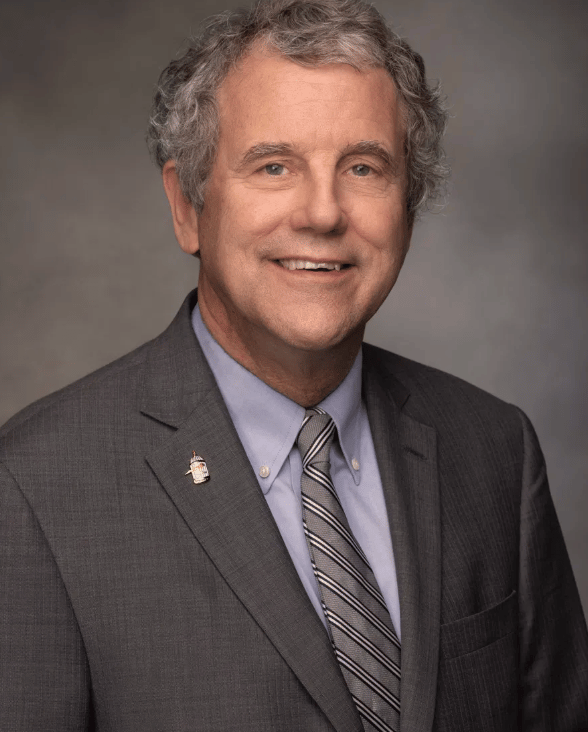
Brown was born and raised in Mansfield. He has talked about summers working on his family farm, earning his Eagle Scout award, and walking the halls of Mansfield schools with the children of steelworkers, autoworkers, and tradespeople — and later watching plants in his hometown begin to close. His story is not one of childhood poverty. It is a story of staying rooted in a community that had to reinvent itself, and of returning this month to the U.S. Senate after winning Ohio’s special election.
U.S. Rep. Josh Brecheen, Oklahoma
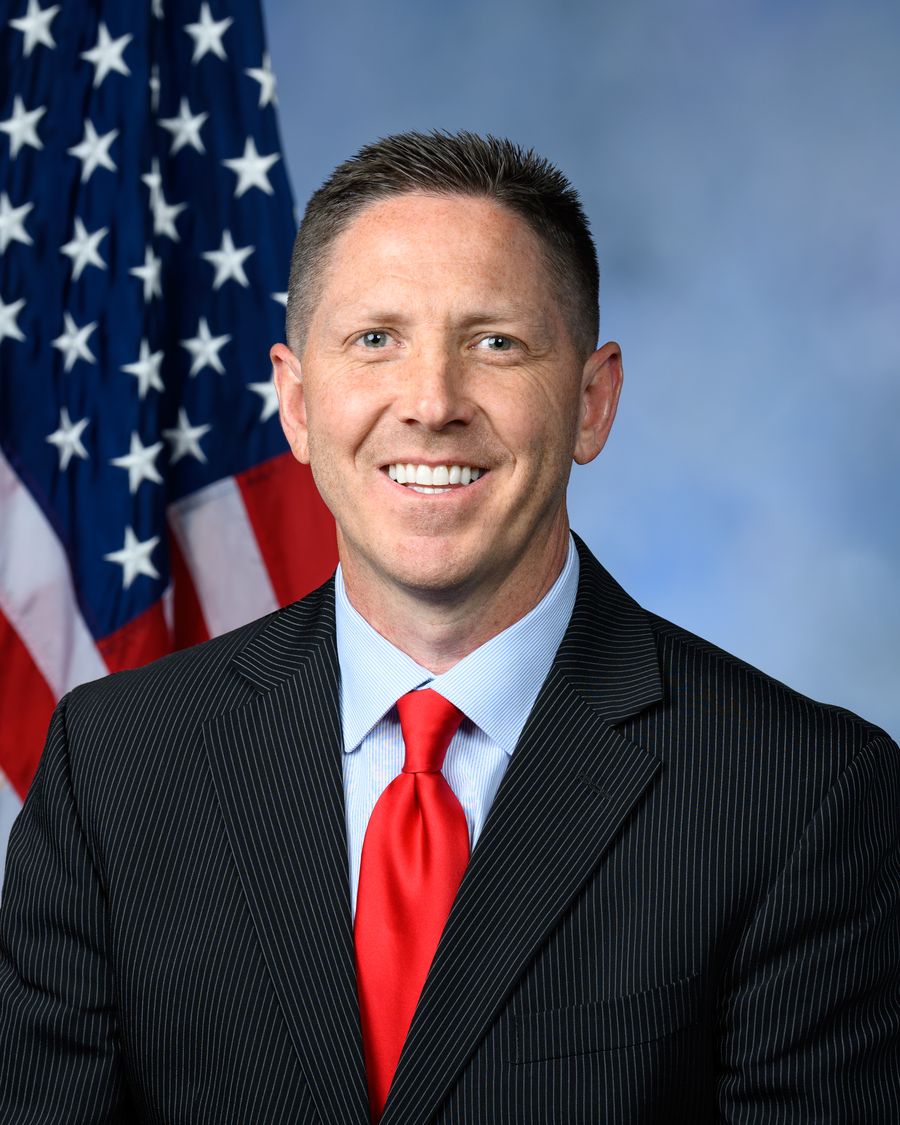
Brecheen is a fourth-generation rancher from eastern Oklahoma. He has said he grew up learning hard work by cleaning horse stalls, breaking colts, and hauling square bales. He served as state president of the Oklahoma FFA, earned a dual degree in agriculture from Oklahoma State University, and later ran a small excavation and trucking business. This month he was re-elected to represent Oklahoma’s 2nd Congressional District.
Attorney General-elect John Kulewicz, Ohio
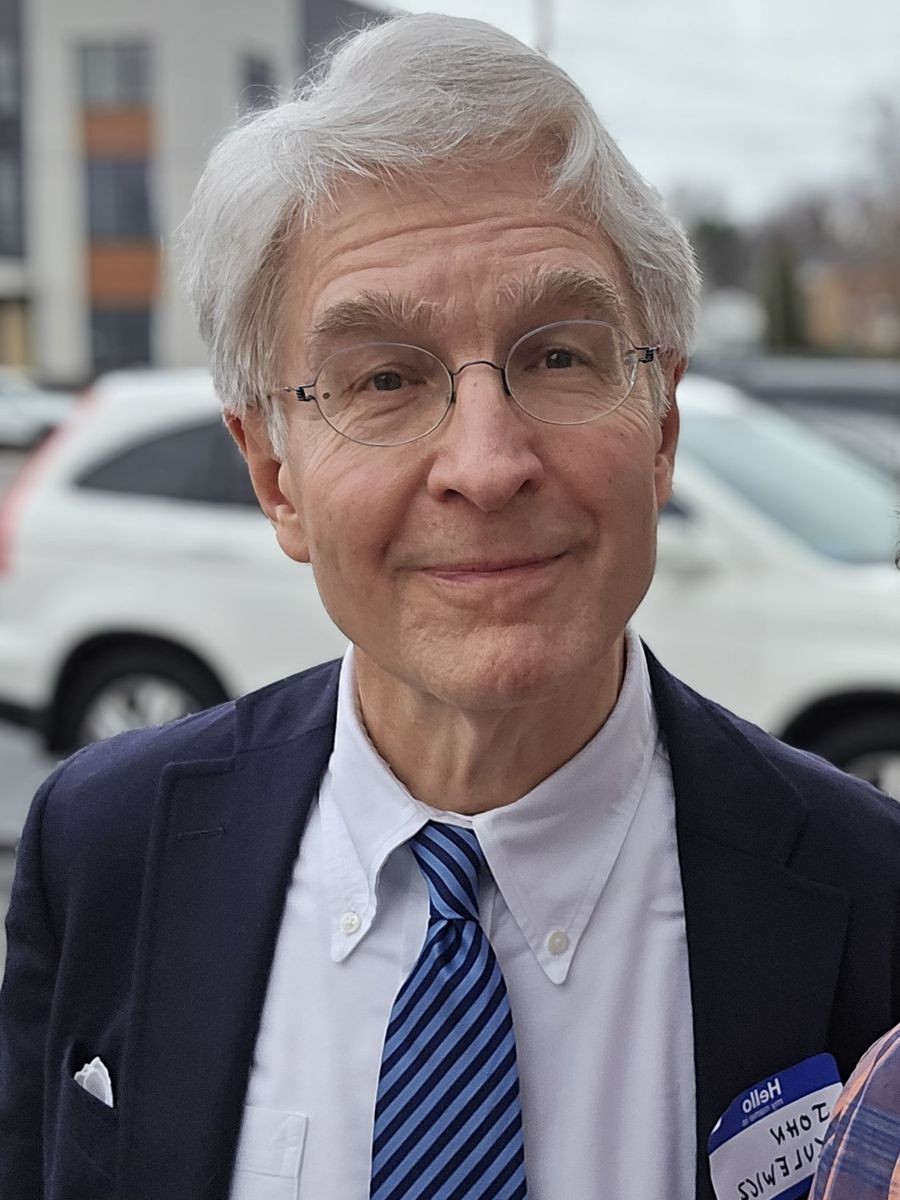
Kulewicz grew up in Columbus. His father, a World War II veteran from Martins Ferry, went to Ohio University on the G.I. Bill; his mother, from Cincinnati, was studying there to become a teacher. He earned a degree in American history from The Ohio State University and a law degree from Yale, then spent more than four decades as a lawyer in Columbus. Unofficial results from the Ohio Secretary of State showed him narrowly ahead, and his opponent conceded on November 4. The state still has to certify the race.
A life in the law: Navi Pillay
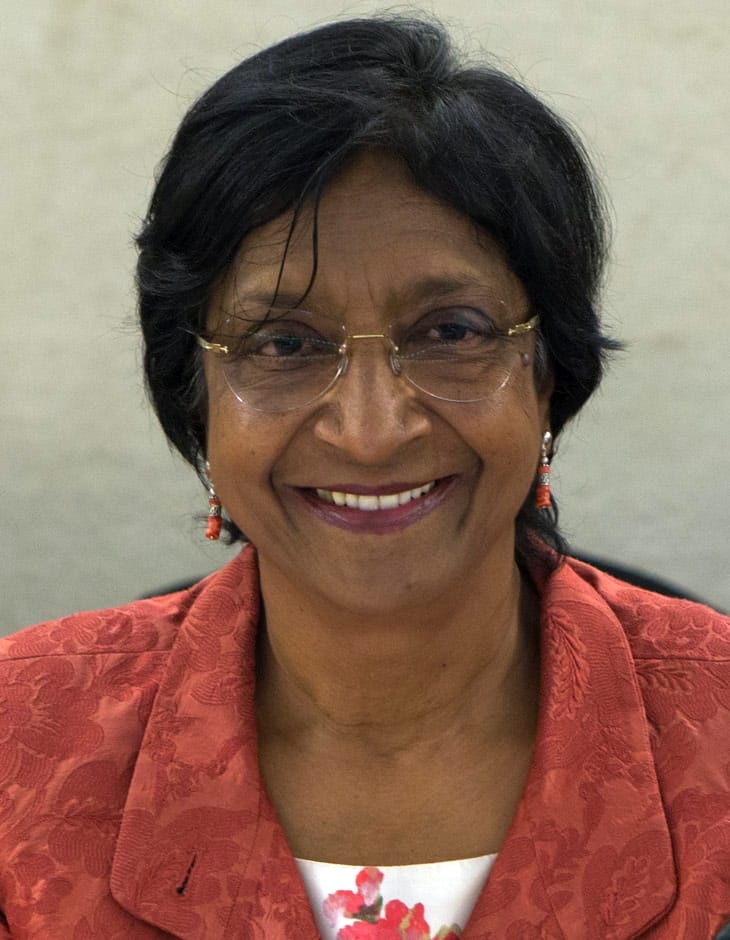
This fall, the Norwegian Nobel Committee awarded the 2026 Nobel Peace Prize to Navanethem “Navi” Pillay “for her efforts to promote peace and international law.” The Nobel Foundation announced the prize on October 9. The Associated Press and Reuters also reported the award.
Pillay was born in 1941 in Durban, South Africa, into a family of Indian Tamil origin, and grew up under apartheid. She has described Clairwood, the community that raised her, as a place of limited means and deep faith in education — so much so that teachers went door to door, and neighbors contributed what they could, to send her to university. When she finished her law studies, no white firm would hire her. In 1967 she opened her own practice, the first woman to do so in Natal Province. She spent decades defending people who stood up against apartheid, including Nelson Mandela, and helped establish key rights for political prisoners on Robben Island.
In 1995, after apartheid ended, she was appointed to the High Court of South Africa, becoming the first non-white woman to serve there. She later served as a judge and president of the International Criminal Tribunal for Rwanda, where she helped establish that rape and sexual violence can constitute genocide; as a judge on the International Criminal Court; and as United Nations High Commissioner for Human Rights from 2008 to 2014. She earned a doctorate in law from Harvard, and she now serves as an ad hoc judge on the International Court of Justice.
Her path — from a childhood under legal exclusion to a life spent widening the reach of the law — belongs in this edition because it is the same hope we celebrate in the American Dream: education, community, and the refusal to accept a closed door as the last word.
We show up for one another
Elected officials are only part of this week’s story. Ordinary people showed up for one another at the polls.
- In Chicago, high schoolers casting their first votes were met with cheers, and a bell rang each time a new voter finished, at a Parade to the Polls.
- Edith Hirsch, a 104-year-old Holocaust survivor in Florida, voted early in this year’s midterms and urged younger people to do the same.
- Earnest Ford Sr., a 106-year-old World War II veteran in Lake Charles, Louisiana, cast what his family said was his 80th ballot and told younger voters that sitting out only hurts people like themselves.
- Virginia Dillard of East Texas was born in 1920, just four months after women won the right to vote, but has said she was not allowed to vote until after the Voting Rights Act. She has said she cast her first ballot around age 50. This year, at 105, she voted in the midterms. In the spring primary, she declined a curbside ballot because she wanted to walk in.
- Juan Escalante learned in high school that he was undocumented after an immigration case went wrong. He was later able to stay under DACA, became a U.S. citizen in 2025, and last November cast his first vote. He framed his “I Voted” sticker and kept it near his desk. This midterm is his first as a citizen.
The names on a ballot belong to candidates. The reason we vote is one another — the first-time voter, the neighbor who walked in, and the child who will inherit what we do now.
What these stories mean for us
Education, a first job, a public library, a parent who skipped a meal, a decision to come home, a neighbor who shows up to vote — these are the ordinary turns that still change a life. They are also the work of W.I.S.E.C.E.O.: digital equity, workforce readiness, economic mobility, and opportunity for historically underserved, immigrant, and multilingual families.
We are advocates. As these new officials rest and settle into their roles, we remain ready for collaborations and events of mutual benefit and service — so more of our neighbors can see themselves in the American Dream, and so we keep showing up for one another.
Some results, including Mississippi’s U.S. Senate race and Ohio’s attorney general race, remain unofficial until the states certify them. W.I.S.E.C.E.O. is a nonpartisan 501(c)(3). This newsletter is for general information and is not an endorsement of any party or policy, and it is not legal advice.
With hope,
Tiffany Davidson
Founder & Executive Director, W.I.S.E.C.E.O.™
This article first appeared in the W.I.S.E.C.E.O. newsletter. W.I.S.E.C.E.O. is a separate nonprofit organization; WISECEO Academy shares it here because it matters to our fellows and families.